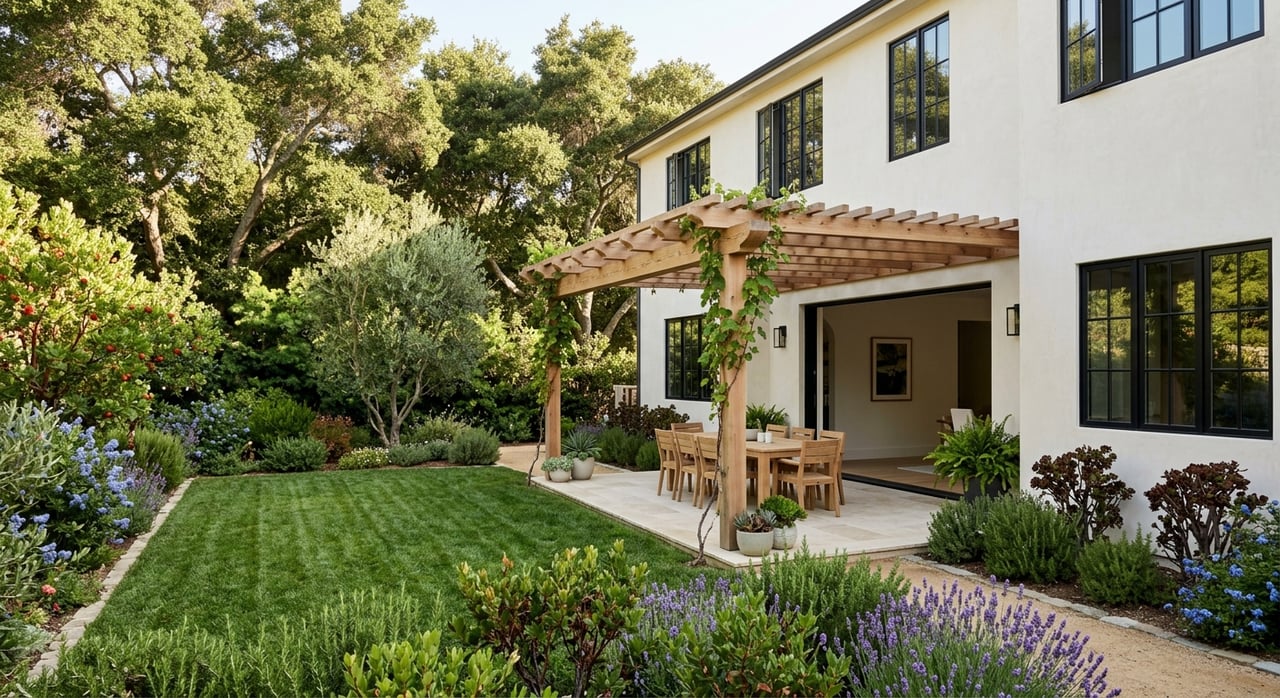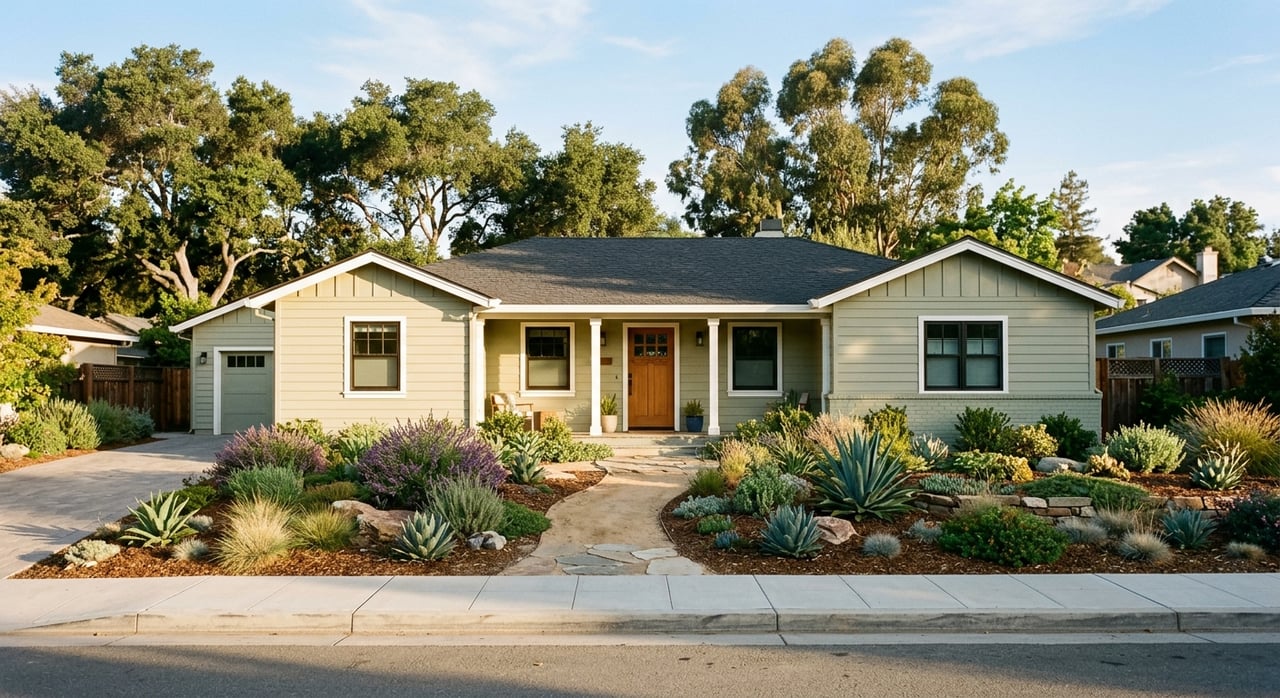
If you have ever pictured a little more breathing room, a garden that stretches past the patio, or a property where your daily routine includes land stewardship as much as homeownership, Penngrove may be the kind of place you are imagining. This small Sonoma County community offers a blend of village convenience and rural character that appeals to buyers looking for space without feeling fully remote. If you are curious what “mini-ranch living” really means here, this guide will help you understand the lifestyle, the property types, and the practical details that matter most. Let’s dive in.
What mini-ranch living means in Penngrove
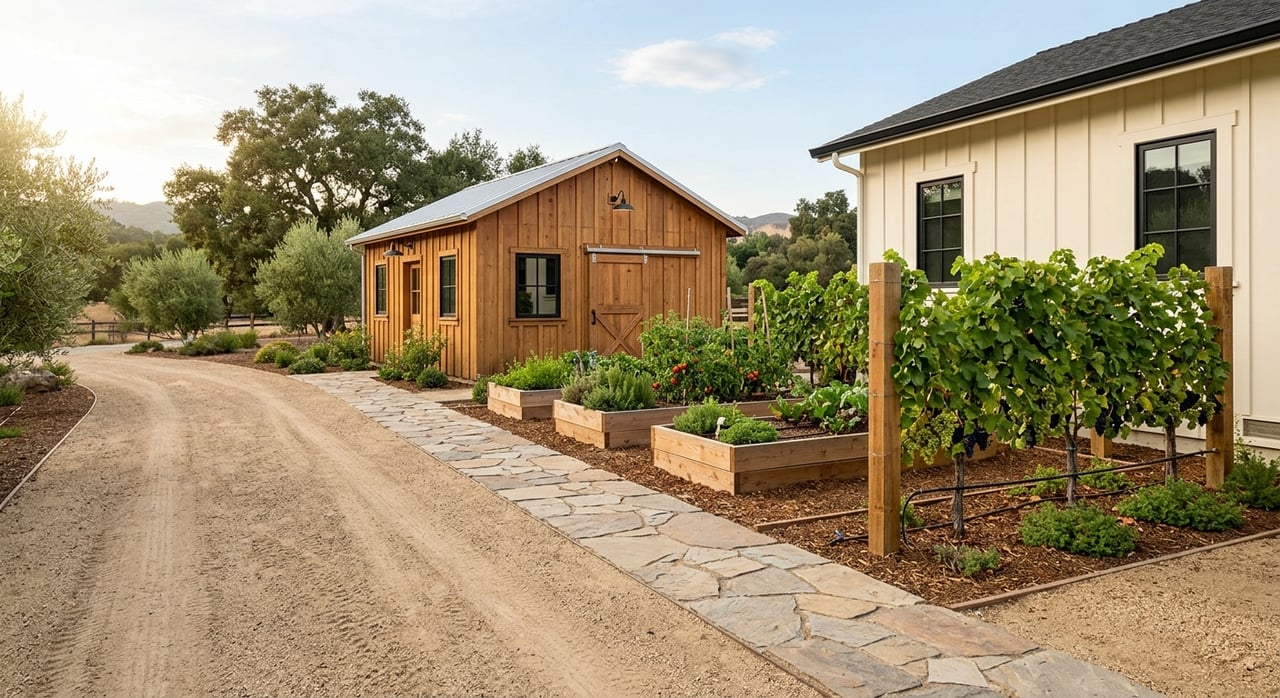
In Penngrove, mini-ranch living usually means residential acreage with rural potential, not necessarily a full-scale working farm. You may find parcels with room for gardens, small-scale crop cultivation, outbuildings, fenced areas, or certain animal-keeping uses, depending on the property’s zoning and infrastructure. That creates a lifestyle that feels grounded, hands-on, and closely tied to the land.
Penngrove itself has a distinct setting in central Sonoma County, just east of the Highway 101 corridor. Sonoma County describes it as a small community with a short Main Street, historic buildings, and roots as a freight station and early egg-and-poultry center. That history still shows up in the town’s scale and identity today.
County planning gives Penngrove an interesting dual role. It sits within one of Sonoma County’s Urban Service Areas, yet local planning also emphasizes rural living environments, agricultural protection, and water and septic limits. In simple terms, you get a community that feels connected to surrounding towns while still holding onto its acreage-friendly character.
Why Penngrove feels different
One reason buyers are drawn to Penngrove is that it does not feel isolated, even though many properties offer more land and privacy than a typical suburban neighborhood. Main Street is only a few blocks long, but it includes restaurants, coffee shops, local businesses, a market, and other everyday stops. That gives the town a village-scale center that is useful and approachable.
At the same time, Penngrove still functions largely as a car-oriented rural community. Sonoma County’s community profile gives it a walkability score of 43 and notes Sonoma County Transit service. So while you may be able to enjoy a more walkable core in town, most acreage living here still comes with regular driving and a strong connection to the road network.
County traffic findings reinforce that Penngrove acts as a semi-rural home base within reach of larger nearby communities. Key routes include Petaluma Hill Road, Main Street, Adobe Road, and Old Redwood Highway. For many buyers, that means you can enjoy more space while staying connected to Petaluma, Rohnert Park, Santa Rosa, and other parts of Sonoma County.
What properties often look like
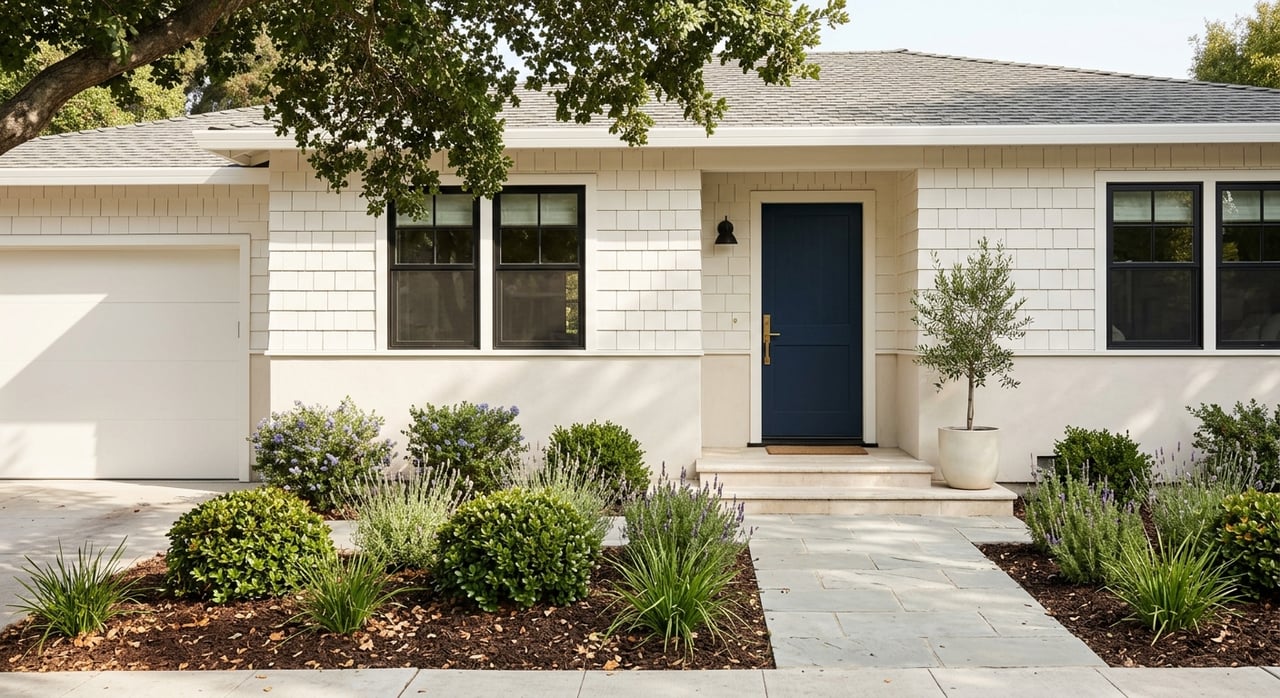
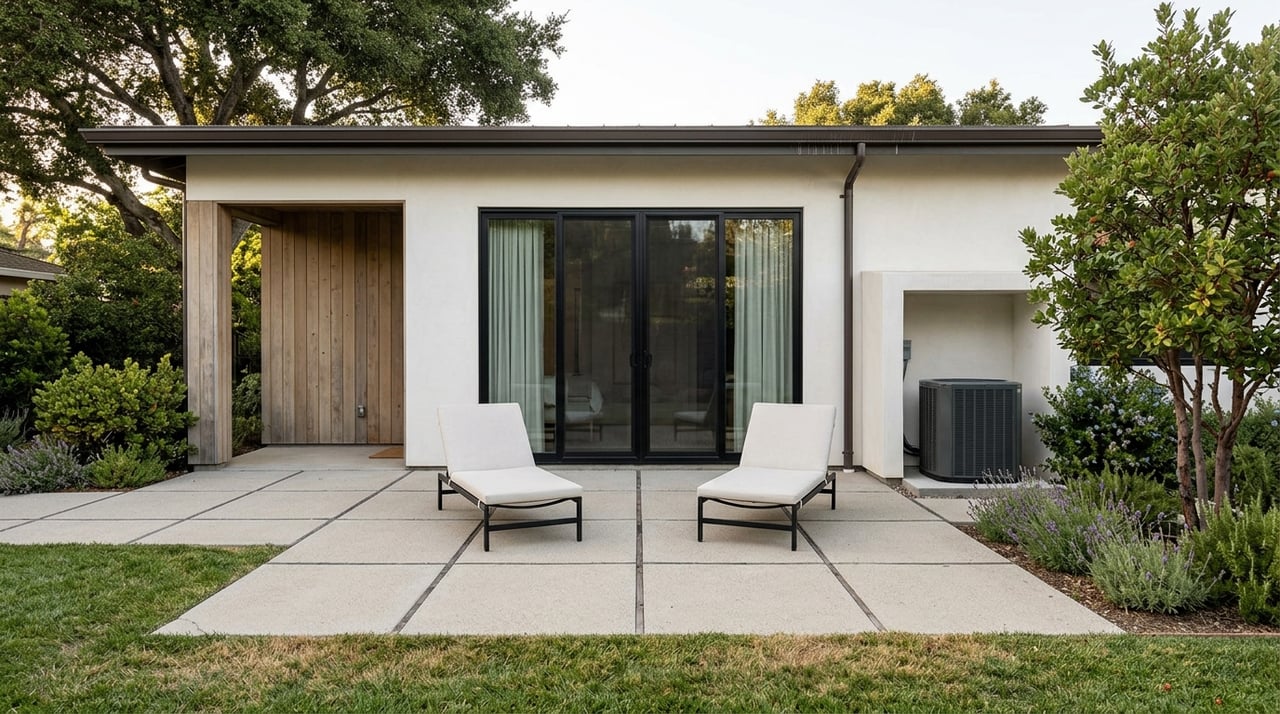
A Penngrove mini-ranch can take several forms, and that is important to know before you start your search. One property might be a rural residential home on a modest acreage parcel with room for landscaping, a vegetable garden, and a workshop. Another might have more agricultural flexibility, with space for cultivation, small-scale farm uses, or other land-based activities permitted by its zoning.
The county draws a clear distinction between rural-residential and agricultural land. The RR zone is meant to preserve rural character and low-density residential development, while the AR zone is intended for areas where crops and farm animals are part of the rural residential landscape. That difference can shape what you may be allowed to do with the land.
Minimum lot sizes also vary. In rural-residential areas, the RR minimum lot size is 1 acre with public water or 1.5 acres without it. On urban-residential land, the minimum can be much smaller at 20,000 square feet, which helps explain why Penngrove can include a mix of property types within the same broader community.
What daily life can involve
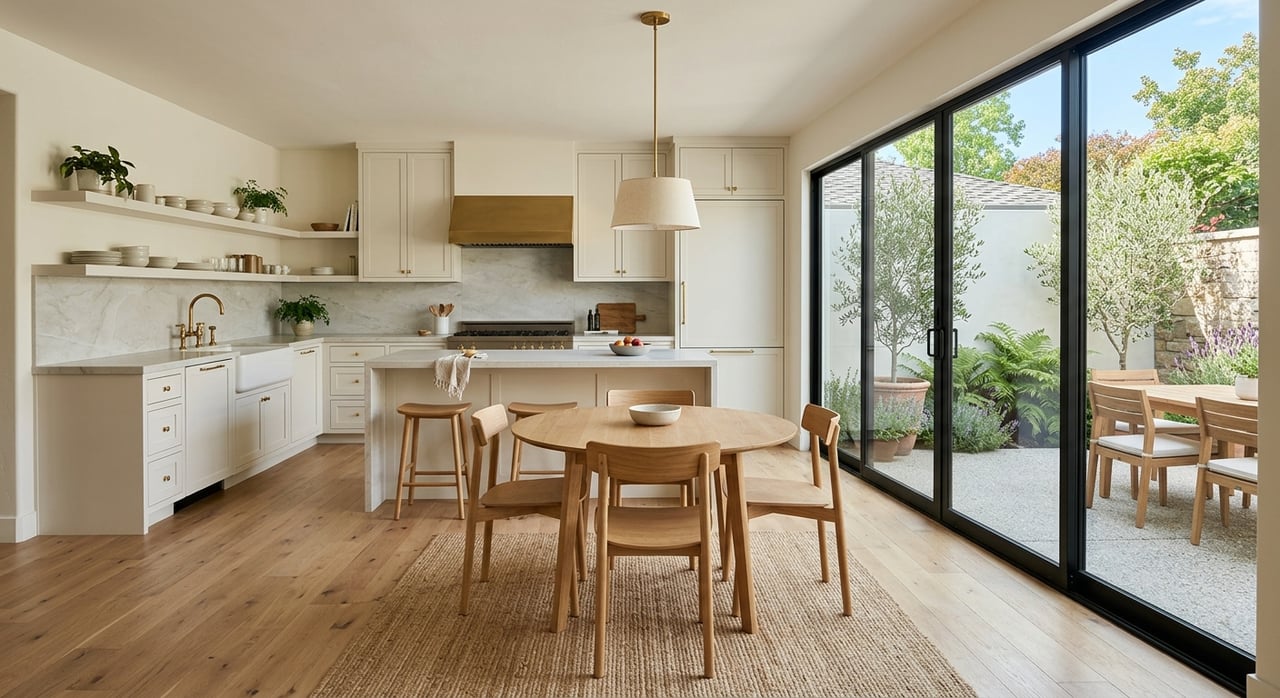
Mini-ranch living is appealing because it offers space, privacy, and a stronger connection to the outdoors. It also comes with more day-to-day responsibility than a standard neighborhood home. Depending on your property, your routine may include mowing, irrigation checks, fencing repairs, composting, pruning, and managing outdoor structures.
If the property supports it, animal care may also become part of the rhythm of daily life. Barns, sheds, and utility buildings often need regular upkeep, and acreage generally asks more of you in every season. For many buyers, that is part of the appeal, but it is worth entering with clear expectations.
This is also a place where rural living and agriculture are intended to coexist. That means the lifestyle is not just about having extra land for visual appeal. It is often about actively maintaining that land and understanding how your property fits into the wider rural environment.
What zoning can allow and limit
Zoning is one of the most important pieces of the puzzle in Penngrove. Buyers often use “mini-ranch” as a lifestyle term, but what matters legally is the parcel’s exact zoning, permit history, and site conditions. Two homes that look similar online may offer very different options in practice.
Sonoma County’s agricultural and resource zoning includes uses that many buyers associate with mini-ranch living, such as crop production and cultivation, certain animal-keeping uses, farm stands, farm retail sales, indoor crop cultivation, nursery wholesale, and tasting rooms. That does not mean every parcel allows all of those uses. It means some rural properties may carry more land-use potential than a typical residential lot.
If you are thinking about hobby vines, orchard trees, or larger land improvements, Sonoma County has separate rules for new vineyard and orchard development, replanting, grading, and drainage. In other words, planting for enjoyment may not always be treated the same way as simple home landscaping. Verification matters before you make plans.
Water and septic matter more here
When you buy acreage in Penngrove, water and wastewater systems deserve close attention. These are not minor details to check late in the process. They are central to how the property functions and what your future use may look like.
Permit Sonoma states that well construction permits are required to drill, destroy, or deepen wells. The county also notes that well permitting has been subject to updated rules and related legal activity, and that well permits require conservation and best-management practices. If a property depends on a well, understanding its history and status is a key part of due diligence.
Septic is just as important where public sewer is not available. Sonoma County states that homeowners must have septic systems installed to treat wastewater when sewer service is unavailable. For buyers considering gardens, guest structures, animals, or broader use of the land, septic capacity and system history can directly affect what is feasible.
Right-to-farm is part of the lifestyle
One of the clearest realities of mini-ranch living in Penngrove is that you may live near active agricultural operations. Sonoma County materials say people moving into agricultural areas should expect normal farming impacts such as noise, dust, spraying, odors, and traffic. That is not a flaw in the area. It is part of how the rural environment functions.
For some buyers, this is exactly what they want: a place where productive land use is part of the setting. For others, it can be an adjustment, especially if they are moving from a denser suburban environment. It helps to think not only about the home itself, but also about the broader day-to-day patterns around it.
Seasonal work, early-morning activity, or heavier rural traffic during certain times of year may all be part of the experience. Going in with that expectation can help you find a property that matches both your vision and your comfort level.
Wildfire preparation is basic ownership
In Sonoma County, wildfire preparedness is part of responsible rural ownership. County park materials note that wildfire prevention and preparation are a primary goal because wildfire is increasingly common in the county and across the West. If you are considering a Penngrove mini-ranch, this should be part of your planning from the start.
That typically means paying attention to defensible space, vegetation management, and fuel reduction around the home and outbuildings. It can also include practical access questions, such as driveway conditions and emergency access. On acreage, these are not just occasional tasks. They are part of the normal ownership checklist.
This does not make the lifestyle less appealing, but it does make preparation more important. Buyers who understand the ongoing responsibilities of rural property ownership tend to make more confident long-term decisions.
How to shop smarter in Penngrove
If Penngrove mini-ranch living sounds like the right fit, your home search should be shaped by more than square footage and curb appeal. The best search starts with a clear definition of how you want to use the land. A property that looks perfect in photos may or may not support your actual goals.
As you evaluate options, focus on practical questions such as:
- What is the parcel’s exact zoning?
- Is the property served by public water, a well, or another system?
- If there is a well, what is its permit and usage history?
- Is the property connected to sewer, or does it rely on septic?
- What is known about septic capacity and condition?
- Are there existing permits for barns, outbuildings, grading, or land improvements?
- Are you near active agricultural uses that may affect daily living?
- Does the property layout support safe access and wildfire preparedness?
For many buyers, the right property is one that balances aspiration with practicality. The goal is not just to buy acreage. It is to buy acreage that supports the way you want to live.
Why local guidance helps
Lifestyle properties often require a more careful read than a typical in-town home. In Penngrove, details like zoning, water, septic, land use, and access can shape both immediate livability and long-term plans. That is why local market knowledge matters so much.
If you are comparing properties in and around Penngrove, it helps to work with someone who understands how Sonoma County buyers think about space, usability, and value. A mini-ranch is not only a home purchase. It is also a lifestyle decision with more moving parts than many buyers expect.
When you are ready to explore Penngrove acreage or lifestyle property opportunities, Shannon Howard-Bisordi can help you navigate the details with a local, thoughtful approach.
FAQs
What does mini-ranch living in Penngrove usually mean?
- It usually means owning a residential acreage property with rural character and some land-management potential, rather than operating a full-scale commercial farm.
What zoning matters for Penngrove mini-ranch properties?
- RR and AR zoning are especially important because they help determine residential density, rural character, and whether certain crop or animal-related uses may be allowed.
What utility issues should buyers check for Penngrove acreage homes?
- Buyers should closely review water service, well history, sewer availability, septic systems, and related permit records because these items can affect everyday use and future plans.
What is daily life like on a Penngrove mini-ranch?
- Daily life often includes more outdoor upkeep than a standard suburban home, such as mowing, irrigation, fencing, composting, and maintaining outbuildings or land areas.
What should buyers know about living near agriculture in Penngrove?
- Sonoma County advises that agricultural areas may include normal impacts like noise, dust, odors, spraying, and traffic, so buyers should be comfortable with those conditions.
What should buyers know about planting vines or orchards in Penngrove?
- Buyers should verify county rules first because Sonoma County has separate requirements for some vineyard, orchard, grading, and drainage activities beyond ordinary landscaping.