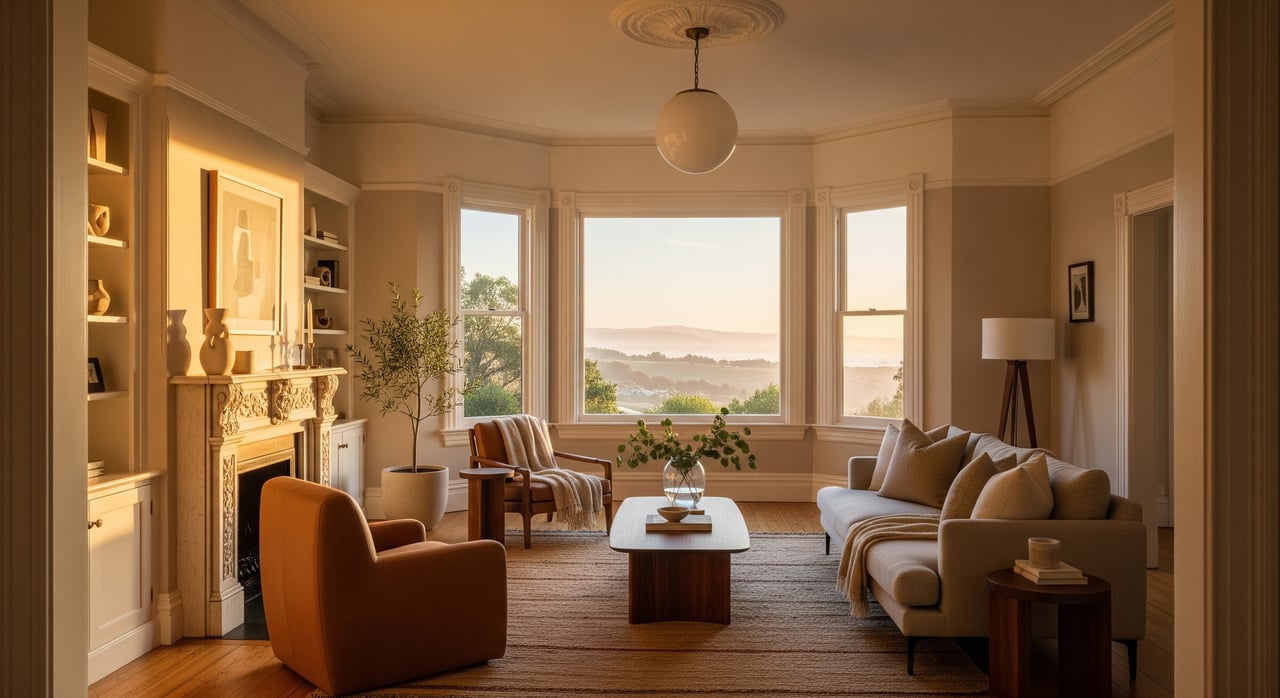
Is your Petaluma Victorian or Craftsman long on charm but short on modern convenience? You are not alone. Many Sonoma County sellers want to honor period details while meeting buyer expectations for comfort, efficiency, and easy living. In this guide, you will learn a preservation-first staging plan, room-by-room checklists, permit and safety tips, and the marketing moves that speak to today’s buyers. Let’s dive in.
Why Petaluma’s historic charm sells
Petaluma’s late 19th and early 20th century homes stand out for original millwork, tall windows, built-ins, and classic streetscapes near Historic Downtown. Buyers are drawn to that character plus walkable amenities and Sonoma County’s outdoor lifestyle. Many also value commute options to Marin and San Rafael, along with regional rail connectivity from the Sonoma-Marin Area Rail Transit system.
Two buyer groups typically show up for historic homes. Some want turnkey charm with updated systems, kitchens, and baths that blend with the era. Others want a project and may pay less, but they still respond to staging that shows livability and potential.
Preservation-first staging: show character, remove friction
Your goal is to elevate the best historic features while removing the friction points that worry buyers. Clean, repair, and highlight original trim, hardware, staircases, built-ins, and fireplaces. Avoid covering or replacing defining elements. If windows, doors, or moldings need attention, a repair-first approach preserves value and appeal. For energy and comfort, favor reversible upgrades like weatherstripping, interior storm panels, storm windows, and attic insulation. For guidance, review the National Park Service Preservation Briefs, which emphasize repair and compatible improvements.
Know local rules before you start
If your home is a designated historic resource or within a historic overlay, exterior changes can require review by the City of Petaluma. Alterations to siding, windows, porches, rooflines, and major landscaping may need permits. Interior cosmetic work is often simpler, but structural changes or work that could disturb hazardous materials falls under specific rules. Contact the City of Petaluma Planning Department early to confirm what needs review.
Lead paint and asbestos safety
Homes built before 1978 may have lead-based paint. Renovation work that disturbs painted surfaces must follow the EPA’s Renovation, Repair and Painting rules. Learn what the process requires from the EPA RRP program. Asbestos can be present in older insulation, vinyl floor tiles, and mastic. If you suspect it, hire a professional to test and arrange licensed abatement if needed.
High-impact updates buyers notice
Prioritize work that showcases character and signals a well-cared-for home. Start with these high, medium, and lower-cost actions.
High impact
- Declutter, deep clean, and deodorize. Clean lines help buyers see original details.
- Paint with neutral, period-appropriate colors to brighten and modernize while honoring trim and proportions.
- Kitchen refresh: paint or refinish cabinets, update hardware, add classic tile or new countertops, and improve lighting and fixtures.
- Bathrooms: re-grout tile, update vanities and fixtures, and keep period tiles where they shine.
- Systems: show that heating, plumbing, electrical, roof, and visible mechanicals are well maintained.
Medium impact
- Flooring: refinish original hardwood instead of replacing when feasible.
- Windows: repair sash cords, weatherstrip, and consider storm solutions. If replacements were required, document approval and appropriate materials.
- Lighting: brighter, efficient fixtures that fit the era’s style.
- Curb appeal: prune landscaping, repaint the porch, and add historically appropriate lighting and house numbers.
Lower-cost wins
- Window treatments: simple, light-filtering options that frame original windows.
- Furnishings: right-size pieces that respect room scale and circulation.
- Accessories: a few period-friendly accents, art, and rugs to suggest lifestyle without clutter.
Room-by-room quick wins
Entry and foyer
- Keep it open and bright to showcase staircases and millwork. Use a slim console and mirror to reflect light.
Living and dining
- Center layout on fireplaces, built-ins, and moldings. Create clear conversation zones and emphasize natural light.
Kitchen
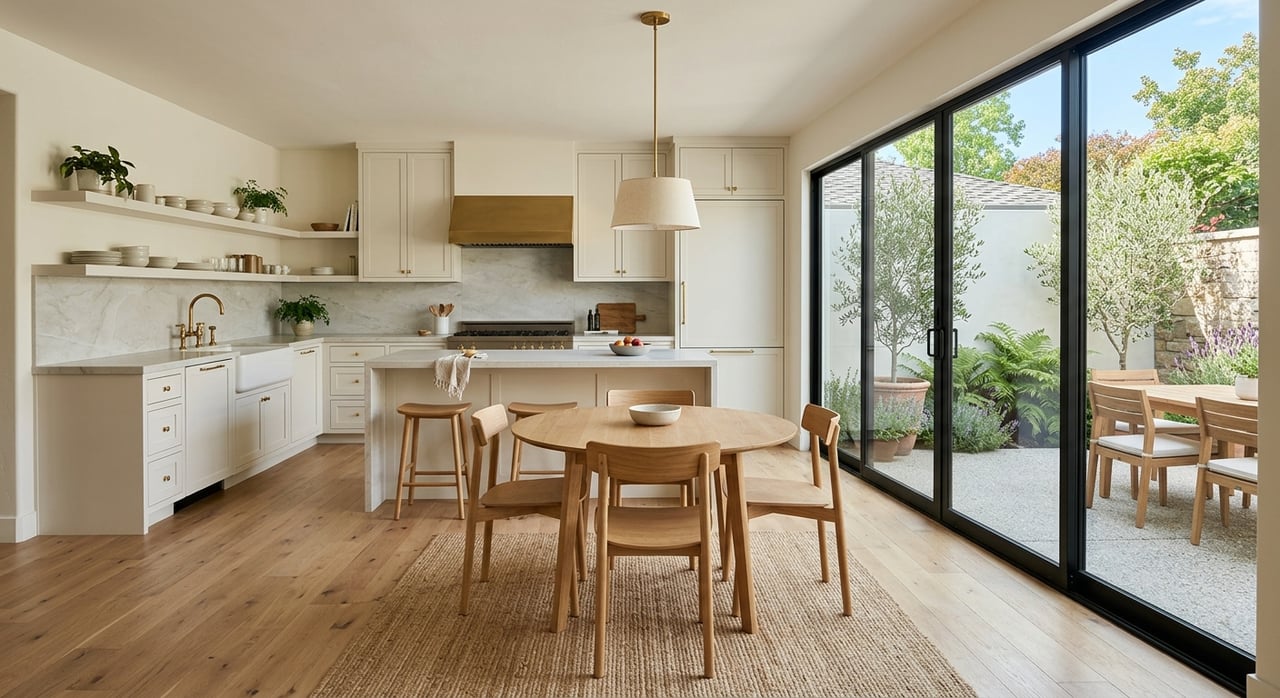
- Clear counters, add warm wood or stone touches, and use classic materials like subway tile that nod to the era. Highlight functionality and flow.
Primary bedroom and bath
- Aim for calm, spa-like finishes that complement historic proportions. Show closets as tidy and functional.
Attic and basement
- Clean and stage as storage or utility zones. Leave visible any recent upgrades like insulation or a newer water heater.
Plan your project like a pro
Use a simple framework to keep your timeline and budget on track.
Prioritize in phases
- Immediate prep: declutter, deep clean, minor repairs.
- Cosmetic updates: paint, fixtures, hardware, lighting.
- Systems and safety: roof, HVAC, electrical, plumbing, pest or wood-rot repairs.
- Historic-sensitive restoration: window repair, porch or trim restoration.
Budget tiers
- Low: paint, cleaning, light staging, small hardware swaps.
- Medium: kitchen and bath cosmetic refreshes, floor refinishing, lighting upgrades.
- High: major kitchen or bath remodels, system replacements, or exterior restorations that require permits.
Timeline estimates
- Staging and cleaning: a few days to 2 weeks.
- Cosmetic updates: 2 to 6 weeks depending on contractor schedules.
- Permitted or major restoration: several months, verify review timelines with the City of Petaluma.
Get two or three bids for any larger scope and ask about historic-home experience. Consider a pre-listing inspection to surface issues and reduce surprises during escrow. For market context as you plan, review regional trends through the California Association of Realtors market data.
Marketing that makes history
Presentation drives results. Use professional photography that captures natural light, wide room views, and detail shots of original hardware, fireplaces, and moldings. Add measured floor plans and a concise “history of the house” blurb to help buyers see context and flow. Offer a 3D tour to reach out-of-area Bay Area buyers who shop virtually.
Staging and strong presentation consistently help homes sell faster because they make benefits obvious and reduce uncertainty. For national perspective on buyer reactions to staging, see the National Association of Realtors Profile of Home Staging.
Speak to both buyer types
If your home is move-in ready, stage for comfort and convenience while highlighting original features. Emphasize updated systems, clean finishes, efficient lighting, and inviting outdoor spaces. For buyers who want a project, keep staging livable but include a simple “what’s possible” board with period-sensitive inspiration to help them picture future upgrades.
How we help at Howard + Moylan & Co.
You do not have to manage this alone. Our boutique, presentation-first team pairs Accredited Staging Professional services with project management and concierge marketing to shorten time on market. We coordinate pre-market improvements, work with trusted trades who know historic homes, and leverage professional photography, floor plans, and storytelling that honor your home’s era. Sellers can also explore access to Vanguard Valet for approved pre-listing improvements when it fits the plan.
Ready for a tailored staging and prep plan for your Petaluma or Sonoma County historic home? Start a conversation with Shannon Howard-Bisordi to get a custom strategy and your next steps.
FAQs
What makes Petaluma’s historic homes appealing to buyers?
- Buyers value original character near Historic Downtown, walkable amenities, and access to Sonoma County recreation and Marin or San Rafael job centers.
How should I balance preservation with energy efficiency?
- Repair first and use reversible upgrades like weatherstripping and storm windows, guided by the National Park Service Preservation Briefs.
Do I need permits for exterior changes in Petaluma?
- Many exterior alterations on historic resources require review, so confirm requirements with the City of Petaluma Planning Department before starting work.
Are original windows always a negative for energy costs?
- Not necessarily, since repaired original windows with weatherstripping and storm solutions can perform well without losing historic value.
What are the rules for lead paint and asbestos in older homes?
- Pre-1978 homes may contain lead paint, and some materials may have asbestos, so follow the EPA RRP program and use certified professionals.
Which updates pay off most before listing?
- Fresh paint, a cosmetically refreshed kitchen and baths, clean and refinished floors, brighter lighting, and proof of maintained systems typically make the biggest impact.