Thinking about adding an ADU in Rohnert Park but not sure where to start? You are not alone. Many Sonoma County owners want extra space or rental income, but the rules can feel complex. This guide breaks down what counts as an ADU, where to confirm local standards, how parking and permits work, timelines to expect, and what it may cost. Let’s dive in.
What is an ADU or JADU?
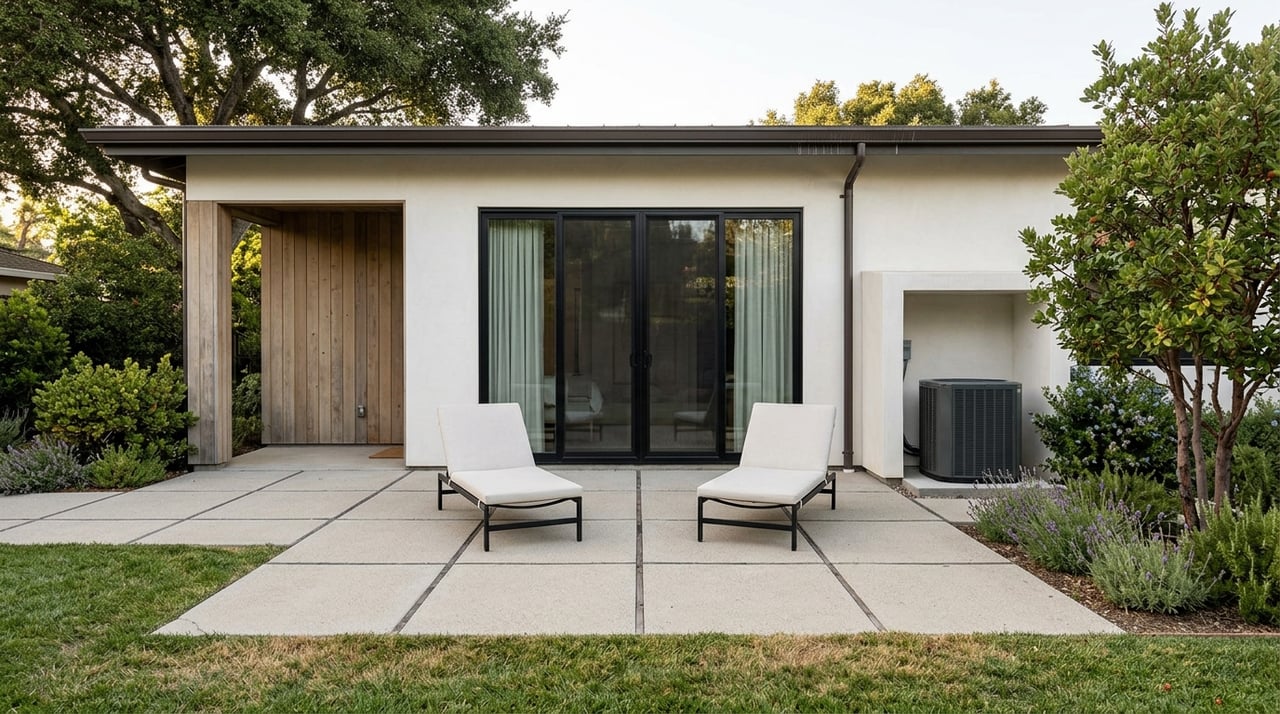
An accessory dwelling unit, or ADU, is an independent living space on the same lot as a primary home. It can be a brand-new detached structure, an attached addition, or a conversion of existing space like a garage or attic.
A junior ADU, or JADU, is a smaller unit created within your existing home. Under state law, the JADU maximum is generally 500 square feet. JADUs often share some utilities with the main home and typically have a separate entrance.
Common ADU types you can consider:
- Detached ADU in the yard
- Attached ADU added to your home
- Conversion ADU from a garage or accessory structure
- JADU within your home’s footprint
State rules that shape local ADUs
California state law sets the foundation and limits what cities and counties can require. Three highlights matter for most homeowners:
- Ministerial approval: If your ADU meets objective standards, it must be processed ministerially without discretionary hearings.
- Timeline: Local agencies must act on a complete ADU application within a statutory period that is commonly cited as 60 days. Confirm the current timeline with the local planning counter.
- Owner-occupancy: State law removed most local owner-occupancy requirements for ADU approvals. Check your local code or any prior permits for exceptions.
State rules also shape size, parking, and fees. JADUs are capped at 500 square feet. Many jurisdictions allow detached ADUs up to 800 to 1,200 square feet, but local maximums vary and must be confirmed with your city or county.
Who approves your ADU locally
Your first step is to confirm whether your property is inside city limits or in unincorporated Sonoma County. That determines who reviews your plans and which objective standards apply.
- City of Rohnert Park: The Planning and Building Division handles in-city ADUs. Rohnert Park uses objective ADU standards consistent with state law. Always confirm current size caps, setbacks, and fees with the city.
- City of Cotati: If your address is in Cotati, its Planning and Building Division manages ADUs. Details may differ from Rohnert Park.
- Unincorporated Sonoma County: Permit Sonoma handles planning, building, and Environmental Health for county parcels.
Other agencies often involved:
- Environmental Health for septic if you are not on sewer
- Local water or sanitation district for sewer and water connections
- Your fire department for access, egress, and life safety requirements
- Your HOA if applicable, since private covenants may set additional rules
Eligibility and site checks in Rohnert Park
Most single-family lots can add an ADU when objective standards are met. Lots with multifamily buildings may also qualify for ADUs under state law.
Before you draw plans, verify:
- Zoning and permitted uses for your parcel
- Setbacks, height, and lot coverage or floor area ratio if applicable
- Sewer or septic status and any needed capacity review
- Easements, trees, slopes, floodplain, or historic overlays that affect placement
A quick pre-application conversation with your local planning counter can save time and redesign costs later.
Size, height, and placement basics
Local standards vary, but here is how the framework usually works:
- JADU: Up to 500 square feet within your existing home.
- Conversion ADU: Often benefits from relaxed setbacks when converting existing structures.
- Detached and attached ADUs: Local jurisdictions set objective size caps and height limits, often in the 800 to 1,200 square foot range for detached units. Confirm the exact maximums where your property is located.
State law commonly allows reduced side and rear setbacks for certain detached ADUs. Many jurisdictions permit a 4-foot side and rear setback in specific cases. Always confirm the exact setback and height standards with your local planner.
Parking rules and common exemptions
Parking is one of the biggest concerns for owners, especially if you plan to convert a garage. State law significantly limits when cities can require ADU parking. Common exemptions include when the ADU:
- Is within one-half mile of public transit
- Is in an architecturally or historically significant district
- Is part of the existing primary residence or converts an existing accessory structure
- Is in an area where on-street permits are required but not offered to the ADU occupant
- Is within one block of a car-share vehicle
Local rules about replacement parking for garage conversions are often relaxed under state law, but practices can differ. Ask your local planning staff how these exemptions apply on your street.
Permits and timelines in practice
Most projects follow the same sequence:
- Prelim feasibility check with planning and key utilities
- Prepare architectural and site plans
- Submit for planning and building review
- Respond to plan-check comments and resubmit if needed
- Permit issuance and construction with required inspections
- Final inspection and occupancy approval
By law, agencies must act on complete ADU applications within the state’s statutory timeframe that is commonly cited as 60 days. Real-world timelines vary by project type and staffing. Simple conversions can see permit issuance in about 2 to 4 months. New detached ADUs often take 3 to 8 months or longer due to plan-check cycles, utility reviews, and scheduling.
Costs, fees, and financing
ADU budgets depend on size, design, site work, and utilities. As a broad guide for many Bay Area projects:
- Garage or interior conversions: Typically lower cost per square foot than new builds. Many projects land from tens of thousands to the low six figures.
- Detached new ADUs: Construction often ranges from several hundred to over five hundred dollars per square foot, with total costs frequently in the mid to high six figures depending on finishes and site work.
Permitting, impact fees, and utility connection charges are set locally. State law limits certain impact fees for smaller ADUs, while larger units may pay prorated amounts. If your property is on septic, capacity upgrades can add cost. Always confirm current fee schedules and connection requirements with your city or with Permit Sonoma.
Financing options owners often consider include cash, HELOC or home equity loans, cash-out refinances, renovation or construction loans, and certain specialty ADU products. Some local or state programs periodically offer ADU grants or low-interest loans. Check availability before you budget.
Renting and value considerations
Many owners add ADUs for long-term rental, multigenerational living, or future flexibility. Short-term rental rules are set locally and can be restricted. Check Rohnert Park, Cotati, or county ordinances and any HOA covenants before planning a short-term rental strategy.
ADUs often increase property value and income potential, but the uplift depends on design quality, local rental demand, and unit size. New construction usually increases assessed value for property taxes, and you should inform your insurer about the ADU and any rental use.
A simple checklist to get started
- Confirm your jurisdiction: Rohnert Park, Cotati, or unincorporated county
- Ask the planning counter for ADU submittal checklists and current standards
- Verify zoning, size and height limits, and setbacks
- Confirm sewer or septic status and any Environmental Health steps
- Review overlays such as floodplain or historic district
- Clarify parking rules and any replacement parking requirements
- Request current permit and connection fee estimates
- Review HOA CC&Rs if applicable
- Get 2 to 3 builder or designer estimates
- Explore financing with your lender and discuss tax implications
- Sketch a timeline from pre-application to construction to final sign-off
How our team can help
If you plan to buy a property with ADU potential or sell a home with an existing or planned unit, the right strategy matters. We help you evaluate market impact, pricing, and buyer demand, and if you are selling, we bring a presentation-first plan with professional staging and concierge marketing to maximize results.
Have questions about how an ADU could affect your next move in Rohnert Park or the broader Sonoma County market? Connect with our team for clear, local guidance and a tailored plan. Reach out to Shannon Howard-Bisordi to get started.
FAQs
Can I rent an ADU short-term in Rohnert Park?
- Short-term rental rules are set locally and can be restricted, so review Rohnert Park or county ordinances and any HOA covenants before planning short-term stays.
Do I need to replace parking if I convert my garage?
- State law limits local parking requirements for ADUs and often relaxes replacement parking rules for conversions, but you should verify how your city applies these standards on your block.
Is owner-occupancy required for ADU approvals?
- Generally no, since state law removed most local owner-occupancy requirements, though you should confirm your jurisdiction’s current code and any prior permit conditions.
How long before I can rent the ADU?
- You can rent only after passing final inspections and receiving occupancy approval; permitting plus construction often ranges from a few months for conversions to a year or more for complex new builds.
What if my property is on septic?
- Environmental Health will evaluate capacity, and some systems need upgrades before adding an ADU, so start that review early if you are not on municipal sewer.
Can my HOA stop me from building an ADU?
- HOAs cannot broadly prohibit ADUs under state law, but CC&Rs may set rules on design or placement, so review your documents and consult the HOA early in planning.