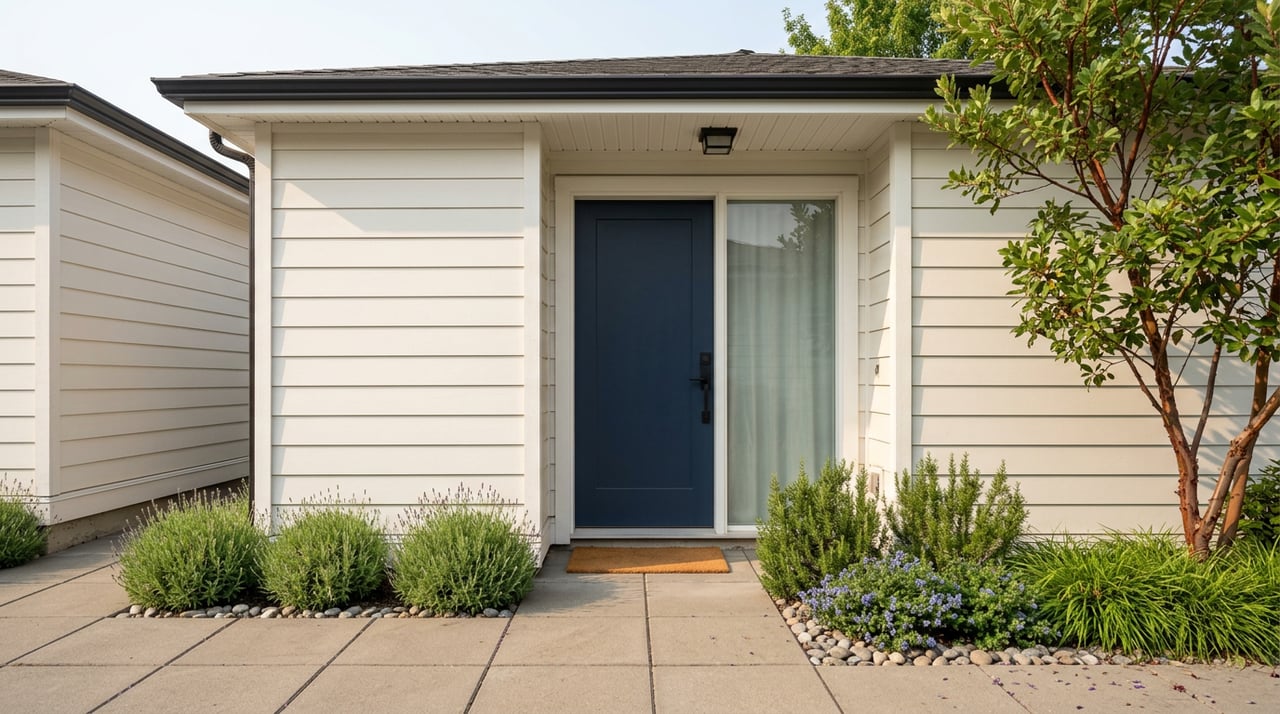
Trying to decide between a townhome and a detached house in Rohnert Park or Cotati? You are not alone. Many Sonoma County buyers balance budget, outdoor space, commute, and long‑term plans when choosing between these two paths. In this guide, you will see how each option fits local living, what to expect for costs and maintenance, and the rules that can shape your flexibility over time. By the end, you will have a clear, practical framework to choose with confidence. Let’s dive in.
Market snapshot: Rohnert Park and Cotati
Recent market snapshots show both cities hovering in the low to mid 600s for median sale prices, with some trackers reporting around the high 600s for Rohnert Park and mid 600s for Cotati as of early 2026. Different data providers use different samples and methods, so it is smart to note the source and date when you compare. Prices also vary by home type, neighborhood, and condition.
Local planning also matters. Rohnert Park’s 2023–2031 housing element includes an allocation of about 1,580 homes for this cycle, which supports more higher‑density options like townhomes in coming years. Cotati’s current cycle is smaller at roughly 234 units, and the city is updating guidance for accessory dwelling units and infill. You can scan the public planning records for context on what is being studied and approved across the cycle on the state clearinghouse site for Rohnert Park’s housing element activity. The project page is available on the California Environmental Quality Act portal at Rohnert Park housing element activity.
Townhomes: what you get
Townhomes in Rohnert Park and Cotati often sit in established HOA communities with shared amenities like pools, greenbelts, and clubhouses. Monthly HOA dues commonly range about 275 to 700 dollars in Rohnert Park and about 300 to 800 dollars in Cotati, depending on amenities and what the association covers. These dues frequently include exterior maintenance, roof, landscaping, common area insurance, and sometimes utilities like water or trash.
Townhome advantages
- Lower day‑to‑day upkeep since the HOA handles many exterior items.
- Often a lower entry price for similar interior square footage compared with nearby detached homes.
- Community perks like pools or greenbelts, plus a simple “lock‑and‑leave” lifestyle.
Townhome considerations
- Smaller private outdoor areas, often patios instead of full yards.
- HOA rules on exterior changes, use, and sometimes rental caps.
- Recurring HOA dues and the possibility of special assessments.
Detached houses: what you get
Detached single‑family homes typically sit on lots near 4,000 to 8,000 square feet or larger in many neighborhoods. That extra land tends to support yards for play, gardening, and pets, and it often provides a clearer path for adding an accessory dwelling unit. Because land is a major part of value, detached homes often command a premium over attached units nearby.
House advantages
- Private yard and more control over paint, landscape, and renovations.
- Strong potential for an ADU or junior ADU, subject to local rules and permits.
- Straightforward ownership without HOA governance or monthly dues.
House considerations
- You carry the full cost of exterior maintenance, roof, fencing, and landscaping.
- Expenses are less predictable than a fixed HOA fee. A roof or fence can be a large one‑time project.
- Insurance and wildfire exposure can vary by neighborhood and topography.
Cost of ownership: what to compare
When you compare a townhome to a house, look beyond the purchase price. Add up monthly and long‑term costs so you can see the true picture.
HOA dues versus maintenance
- Townhome: HOA dues add a fixed monthly cost that often replaces landscaping, exterior maintenance, and common insurance. Review what your HOA covers, and ask about recent special assessments.
- House: No HOA dues. Plan for routine yard care and set aside reserves for capital projects like roof replacement, exterior paint, or fencing. Timing and costs will vary by age and condition.
Property taxes
California’s Prop 13 sets a base 1 percent tax rate on assessed value, plus voter‑approved local assessments. In Sonoma County, the effective rate often runs near 1.1 to 1.2 percent of assessed value, but each parcel is different. Before you finalize numbers, review the parcel’s tax details in your preliminary title package or visit the county resources for assessment information. See the county page for assessment guidance at the Sonoma County Assessor.
Insurance and wildfire risk
Wildfire risk is a real factor in Sonoma County, and it can influence insurance premiums and carrier availability. Properties within mapped Fire Hazard Severity Zones may face higher premiums or fewer coverage choices. You can view local hazard resources on the county’s site at the Fire Hazard Severity Zones page.
Insurance structure also differs by property type. Many attached units use an HOA master policy for exterior and common elements, while the unit owner typically buys an HO‑6 (walls‑in) policy for interiors and personal property. Detached homes generally use an HO‑3 policy for the full dwelling. The division of coverage matters for your budget and risk, so review the HOA master policy to confirm what is walls‑out versus walls‑in. You can read a clear overview of how HOA coverage and owner policies fit together at this consumer guide to HOA and HO‑6 coverage basics.
If you face limited private carriers, California’s FAIR Plan is the insurer of last resort and may be part of a two‑policy solution. The latest consumer information is available from the state’s Department of Insurance on the California FAIR Plan page.
Rules that shape flexibility
HOA disclosures and buyer protections
In California, common interest communities follow the Davis‑Stirling Act. During a resale, the seller or association must provide a disclosure packet that includes governing documents, budgets, reserve studies, rental restrictions, and litigation or special assessments. The packet can be hundreds of pages. Plan time to review and ask your agent to help you focus on reserves, recent meeting minutes, rules that affect your lifestyle, and any red flags. The disclosure requirements are summarized in Civil Code section 4525, which you can read at California Civil Code 4525.
ADUs on single‑family lots
State rules now support at least one ADU on most single‑family lots, and cities publish standards and checklists for permits. In practice, a detached home in Rohnert Park or Cotati usually offers the simplest path to add an ADU, while attached units often face HOA or legal limits. Review the local guidance early to see setbacks, height, parking, and submittal steps. City resources: Rohnert Park ADU information and Cotati ADU information.
Renting and AB 1482
If you plan to rent your property, check two layers of rules. First, HOA communities may cap or regulate rentals. Second, California’s Tenant Protection Act of 2019, known as AB 1482, sets just‑cause eviction standards and caps annual rent increases for many properties, with some exemptions for single‑family homes and condos that meet specific criteria. You can review a clear statewide summary at this AB 1482 overview.
Commute, schools, and daily life
Both Rohnert Park and Cotati sit on the SMART commuter rail corridor with local stations, which can simplify travel to Santa Rosa, Petaluma, and southbound connections. You can learn more about the system and Measure M investments at the SMART rail project page. Sonoma State University adds energy and events, and you will find parks and shopping in close reach.
For schools, both cities are served by the Cotati‑Rohnert Park Unified School District. You can explore district resources and school listings on the CRPUSD site. When you compare neighborhoods, use neutral, factual criteria like distance to campuses, commute patterns, and program offerings that fit your family.
When a townhome is the better fit
- You want a lower‑maintenance lifestyle and value amenities like a pool or greenbelt.
- Your budget favors a lower price point with a predictable monthly HOA fee.
- You prefer a central location near SMART stations, shops, or parks, and you do not need a large private yard.
- You are comfortable with HOA rules and do not plan major exterior changes.
When a house is the better fit
- You want a private yard for play, gardening, or pets, and more control over improvements.
- You plan to add an ADU for multigenerational living or rental income, subject to city rules.
- You prefer to avoid HOA rules and dues and are ready to manage maintenance as needed.
- You value long‑term land ownership and potential for outdoor living.
A quick decision checklist
Use this list to compare your top contenders side by side.
- Budget basics: purchase price, estimated mortgage, taxes at about 1.1 to 1.2 percent of assessed value, plus HOA dues if any. Confirm parcel‑specific taxes with your title packet or the Sonoma County Assessor.
- Ongoing costs: townhome HOA dues and what they include, or house maintenance reserves for roof, paint, fencing, and landscaping.
- Outdoor needs: required yard size for your lifestyle versus comfort with a patio‑scale outdoor space.
- Flexibility: plans for an ADU or rental. Check Rohnert Park ADU guidelines, Cotati ADU guidelines, HOA rental rules, and AB 1482 basics.
- Risk and insurance: wildfire maps from Permits Sonoma and backup options like the California FAIR Plan if private carriers are limited.
- Commute and schools: proximity to the SMART rail corridor and schools in CRPUSD.
How we can help you choose with clarity
Buying in Rohnert Park or Cotati is about more than square footage. It is about how you live, where you spend your time, and how your home will serve you over the next five to ten years. Our team guides you through that decision with clear numbers, local context, and a calm process. We help you review HOA documents, estimate realistic maintenance budgets, and verify ADU and rental paths so you can move forward with confidence.
If you are weighing a townhome versus a house, let’s talk through your goals and build a simple side‑by‑side plan. Reach out to Shannon Howard‑Bisordi to get started.
FAQs
What are typical HOA dues for townhomes in Rohnert Park and Cotati?
- Many local townhome communities post dues in the roughly 275 to 800 dollar range per month, depending on amenities and what the HOA covers, such as roof, exterior, landscaping, pools, or common utilities.
How do property taxes work for homes in Sonoma County?
- Prop 13 sets a base 1 percent rate plus local assessments, and Sonoma County parcels often total near 1.1 to 1.2 percent of assessed value; verify the exact rate for your parcel with your title packet or the county resources.
Does wildfire risk change my insurance options or costs?
- Yes, homes in mapped Fire Hazard Severity Zones may face higher premiums or fewer private carriers; consult county hazard maps and consider the state’s FAIR Plan as a backup if needed.
Can I add an ADU to a detached home in Rohnert Park or Cotati?
- In most cases state law allows at least one ADU on single‑family lots, subject to local standards; check the city ADU pages for Rohnert Park and Cotati early in your planning.
What should I review in an HOA disclosure packet before buying a townhome?
- Focus on the budget, reserve study, recent meeting minutes, special assessments, litigation, and rental rules, all provided under California Civil Code section 4525 for resale disclosures.
Are rentals in townhome communities subject to California’s AB 1482?
- Many properties are covered by AB 1482 rent and just‑cause rules unless they meet defined exemptions; verify HOA rental caps and whether your property type qualifies for any exemptions before you buy.