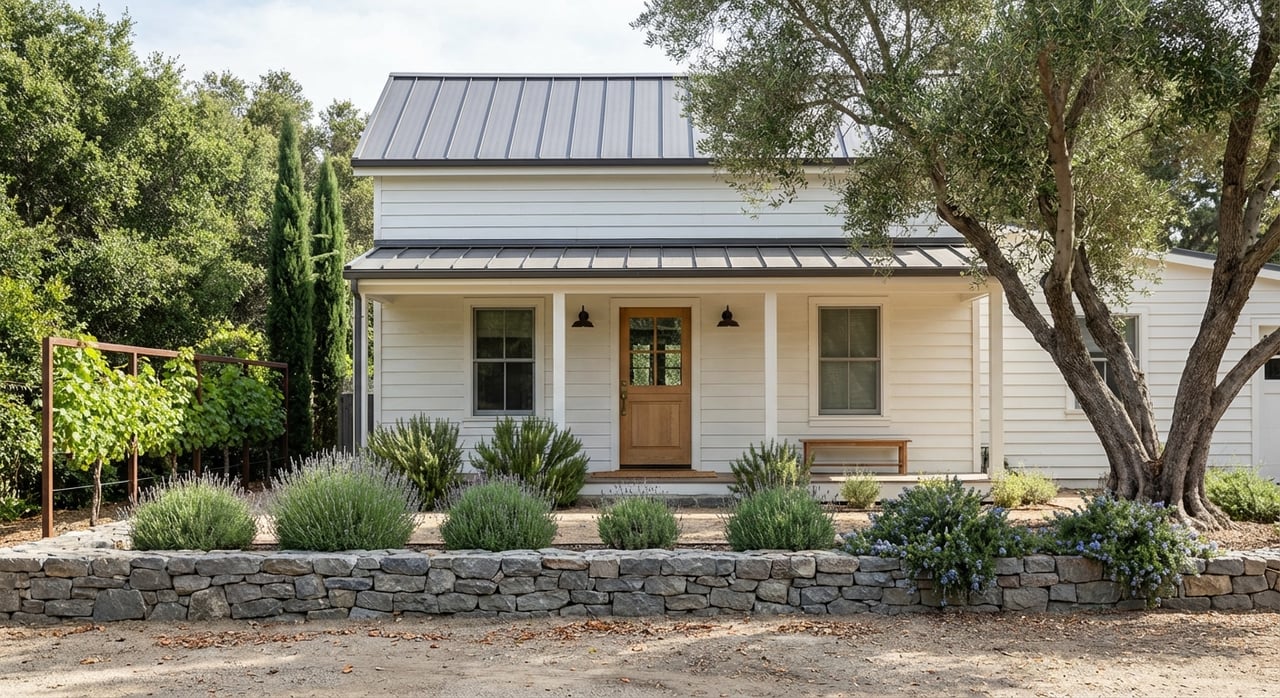
If you are dreaming about life in Healdsburg, you are likely weighing three very different ways to live: a walk-to-Plaza cottage, a home wrapped in vineyard views, or a private acreage retreat. Each option offers a rich Wine Country lifestyle, but the day-to-day tradeoffs around maintenance, privacy, access to town, and long-term costs are real. In this guide, you will learn how each property type lives, what rules can shape your plans, and a clear checklist to use before you write an offer. Let’s dive in.
Healdsburg at a glance
Healdsburg sits at the hub of three Sonoma wine regions with a compact footprint and a strong sense of place centered on the Plaza. City data puts the population at roughly 11,000 residents in about 4 square miles, which helps explain the intimate feel and strong community ties. You can confirm the city’s profile on the official Healdsburg demographics page.
If you split time between the city and the Bay Area, Healdsburg is about 65 to 75 miles north of San Francisco. Charles M. Schulz–Sonoma County Airport is an easy drive from town. Regional transit is evolving too. The SMART rail line has been extending north in phases, with a future Healdsburg station planned in long-range documents, which may improve connectivity over time according to local reporting in the Healdsburg Tribune. For now, most commutes remain car-based.
The three main lifestyle paths
In-town cottages and historic homes
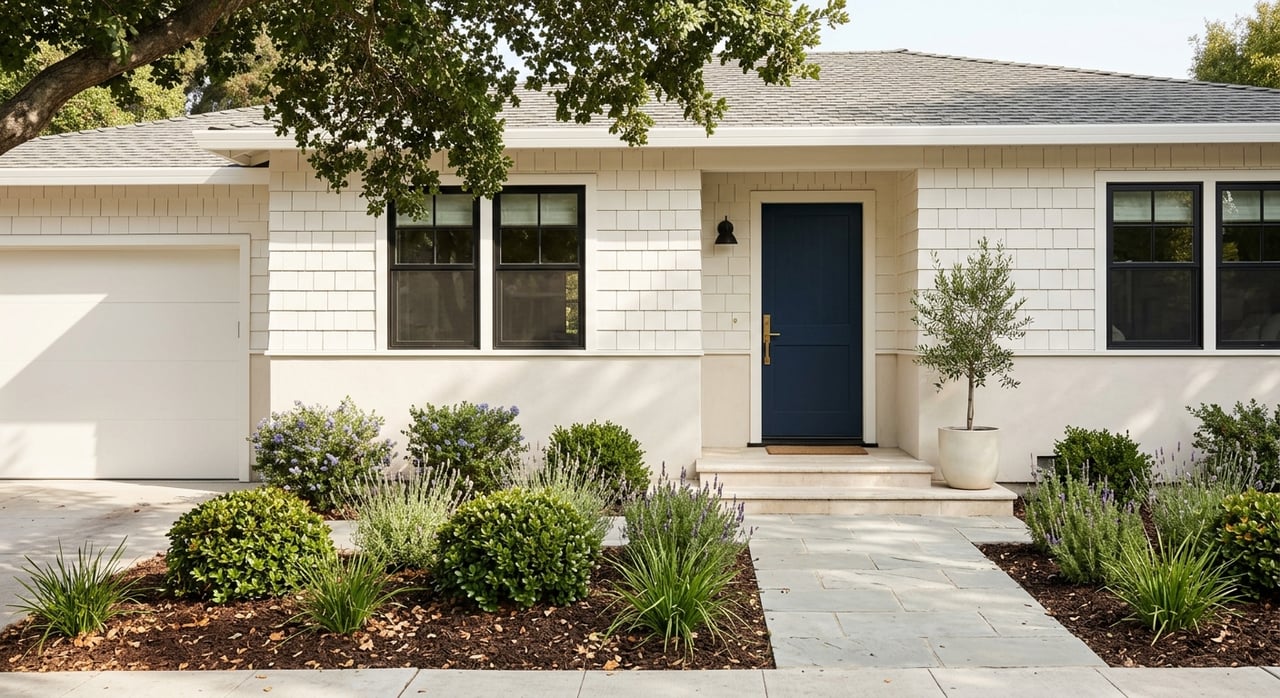
If your perfect day starts with coffee on the Plaza and ends with dinner a short stroll away, an in-town cottage or historic home may be your best fit. Lots are small and walkability is the draw. You trade land for location, which means less yard work and more time enjoying restaurants, tasting rooms, and weekly markets.
Key considerations include older-home upkeep and exterior design rules. Healdsburg’s Historic District overlay can require design review for exterior changes and demolitions in the overlay. If you plan to add an ADU, replace windows, or change exterior finishes, expect to work through the city’s review process. You can read the city’s design and historic controls in the Healdsburg land use code summary.
Who this fits: You want minimal land maintenance, true walkability, and a home with character. Who should think twice: You need large outdoor spaces or want to make quick, visible exterior changes without design review.
Vineyard-adjacent homes and small vineyards
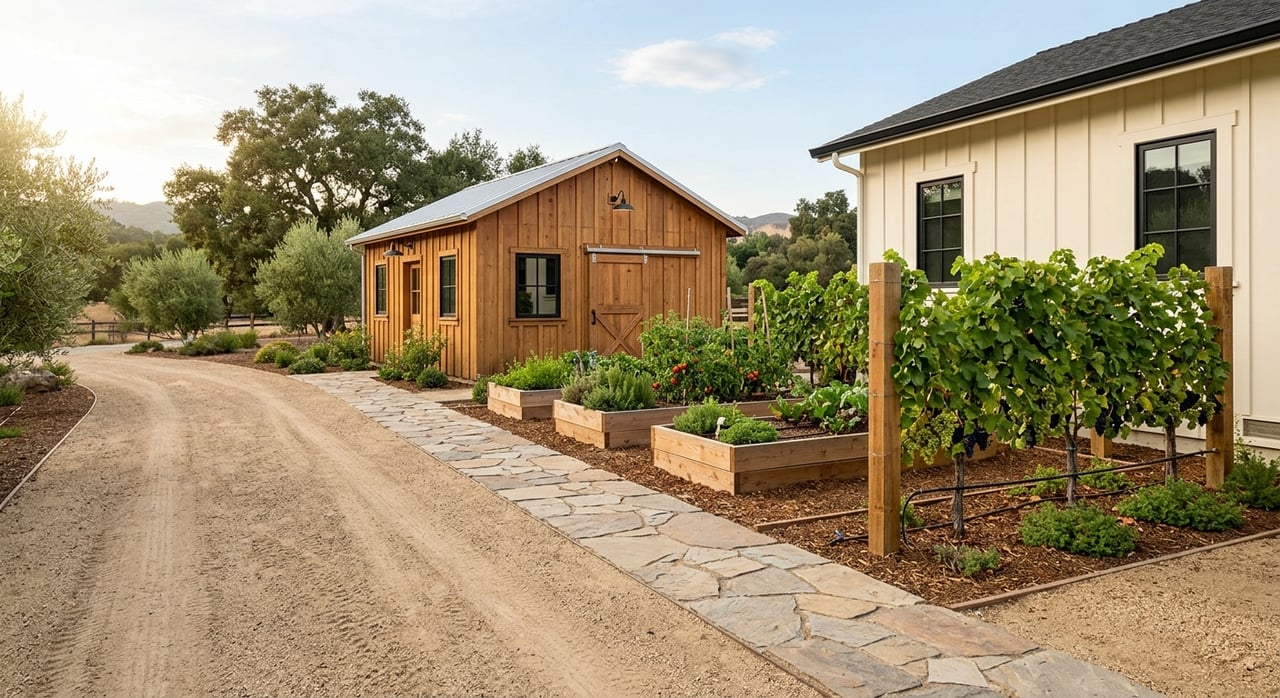
Many Healdsburg-area homes sit beside or include planted vines. The appeal is obvious: golden-hour rows, potential for hobby winegrowing, and a direct connection to the local wine culture. If you are drawn to the idea of tending or overseeing a few acres of vines, this path can be deeply rewarding.
The practical side is important. Vineyards require annual operating work and costs for pruning, canopy management, pest and disease control, and harvest. University cost studies are a good planning tool because they show both one-time establishment and yearly operating budgets by region. You can browse regional cost-and-returns studies through UC Davis and UC Cooperative Extension.
Thinking of hosting tastings or events on-site? Do not assume hospitality is allowed. In unincorporated Sonoma County, winery visitor-serving uses typically require discretionary permits with specific water, wastewater, traffic, parking, and noise standards. Review county guidance and confirm entitlements early using Permit Sonoma’s winery events resources.
Agricultural activity is part of the setting. Seasonal spraying, tractors, and occasional frost protection measures are common in working vineyards. If you want notice of certain restricted-material applications in your area, you can sign up for California’s new notification system, SprayDays California.
Who this fits: You love vineyard scenery and are comfortable budgeting for vineyard management or hiring a vineyard manager. Who should think twice: You want ultra-low maintenance or quiet agricultural surroundings without seasonal activity.
Usable-acreage estates and ranches
If privacy, space, and a long list of outdoor amenities are on your wish list, consider an acreage property. You may find homes on 3 to 10 acres with room for a pool and sport court or larger ranches with trails and potential vineyard sites. Many parcels in Dry Creek Valley and just outside town are a short drive to the Plaza, so you can still enjoy easy access when you want it.
Acreage living adds complexity. Plan for road and driveway maintenance, weed and brush abatement, well and septic upkeep, and landscape care. Water reliability and septic capacity are frequent gating items for adding buildings or expanding use. County water-use rules and OWTS requirements apply where sewer is not available, and you will need clear documentation of well yield and storage. Start with Permit Sonoma’s water-use guidance to understand the baseline.
Who this fits: You value privacy and want room to build out your ideal outdoor program. Who should think twice: You want low overhead, shorter to-do lists, and quick permitting for new projects.
River and creekfront living
Riverfront properties along the Russian River or Dry Creek deliver instant recreation and natural beauty. They also carry flood considerations in mapped floodplains. Before you fall in love with a deck over the water, run the address through FEMA’s Flood Map Service Center and ask for any elevation certificates or flood-mitigation improvements from the seller.
Rules that shape your plan
Historic district and design review
Buying near the Plaza? Healdsburg’s Historic District overlay and design review process may govern exterior changes and demolitions within the overlay. This can affect timelines and allowable materials for visible updates. Review the city’s overlay and procedures in the Healdsburg land use code summary and build the review window into your planning.
Winery, tasting, and event permissions
If you want visitor-serving uses on agricultural land, expect a formal county process. Use permits, operating conditions, and event caps are typical, and approvals consider water, wastewater, traffic, noise, and parking. Start diligence with Permit Sonoma’s winery events information and verify any existing entitlements in the county file.
Williamson Act contracts
Some agricultural parcels may be under Land Conservation (Williamson Act) contracts. These reduce assessed values for property tax purposes but limit non-ag development and can set minimum parcel sizes. Contracts run with the land, so check status before you buy. The University of California explains the program and common implications here: Williamson Act overview.
Wells, septic, and water testing
For properties outside city utilities, you will likely rely on a private well and septic system. Expect to complete a well pump test and a septic inspection, and in some areas testing windows can be seasonal. County rules guide water use and OWTS standards. Use Permit Sonoma’s water-use guidelines as a starting point and plan your inspections early in the contingency period.
Wildfire maps and defensible space
Parts of Sonoma County, including areas near Healdsburg, are classified in higher wildfire hazard zones on state maps. This affects insurance options, home-hardening requirements, and ongoing vegetation management. Check CAL FIRE’s Fire Hazard Severity Zone viewer and budget for defensible-space upkeep as part of ownership.
Agricultural spraying notifications
If you live near active vineyards, you may see seasonal pesticide applications by licensed growers. California now provides notifications for certain restricted-material applications through SprayDays California. This helps you plan outdoor use around scheduled work.
Cost, upkeep, and risk anchors
Maintenance by property type
In-town cottage or historic home
- Routine residential upkeep with a focus on older-home systems and materials.
- Design review may apply for exterior changes in the Historic District overlay.
- Lower land maintenance and strong lifestyle value from walkability.
Vineyard-adjacent or small vineyard
- Annual vineyard work and costs for pruning, canopy management, pest control, and harvest. See UC Davis cost studies to set realistic budgets.
- Many owners outsource to vineyard managers or contract crews.
Usable-acreage estates and ranches
- Ongoing brush and road maintenance, well and septic servicing, and irrigation for plantings.
- Water reliability is central for landscaping or any future vineyard blocks. Use Permit Sonoma’s water-use guidance to understand constraints.
Insurance and wildfire planning
Wildfire exposure influences insurability and premiums in much of Northern California. Insurers increasingly look at property-level risk, home-hardening features, and compliance with defensible-space rules. Use the CAL FIRE hazard map to understand your parcel’s designation and start insurance conversations early in diligence.
Water reliability and septic capacity
For vineyards or large irrigated landscapes, water is a practical gate. Confirm well yield with a pump test, verify storage, and learn any shared well agreements. If you plan hospitality uses or additional units, septic sizing and county allowances will matter. Begin with Permit Sonoma’s water-use framework and assemble current reports from qualified contractors.
Flood awareness for riverfront homes
River-adjacent homes can sit in mapped flood zones that require flood insurance and specific building standards. Before you offer, run an address check in FEMA’s Flood Map Service Center and ask the seller for any elevation certificate and history of improvements like raised foundations or flood vents.
A simple decision guide
Use this quick set of questions to narrow your path:
- Do you want to walk to dining and the Plaza several days a week? Consider in-town historic or cottage properties.
- Do you light up at the idea of grape harvest and vineyard cycles? A vineyard-adjacent home or a small planted block may suit you.
- Do you crave privacy, views, and room for projects? Explore acreage estates within a short drive of town.
- Do you live for the river? Add flood due diligence to your shortlist and look for raised or mitigated homes.
- Is hosting tastings or events a future goal? Start with a parcel’s zoning and existing permits, then plan a path with Permit Sonoma’s winery guidelines.
Your due diligence checklist
Work through these items before you write an offer. They protect your plan and budget.
Confirm parcel identity and status
- Verify APN, easements, CC&Rs, and whether the property is in a Williamson Act contract.
Check hazard maps and disclosures
- Run the address in CAL FIRE’s hazard map viewer and FEMA’s Flood Map Service Center. Order the NHD report once in escrow.
Verify utilities and systems
- For properties off city services, schedule a septic inspection and a well pump test. Review Permit Sonoma’s water-use guidance to understand allowances.
Establish water reliability for plans
- Document well yield, storage, and any shared well agreements. Note irrigation demand if you plan vines or extensive landscaping.
Review vineyard details where present
- Request block maps, vine age, rootstocks and clones, average yields by year, pest and disease history, irrigation layout, and any grape sale contracts. Use UC Davis cost-and-returns studies to model annual costs.
Validate entitlements for hospitality
- Pull county files for any existing use permits, event caps, tasting-room hours, parking conditions, and open violations with Permit Sonoma’s winery guidance.
Plan for insurance early
- Ask a broker for preliminary underwriting feedback based on wildfire zone, defensible-space status, and any prior claims.
Confirm internet and cellular service
- Verify providers for the exact address if you or your team plan to work from home.
Find your Healdsburg fit
The best Healdsburg lifestyle property is the one that matches your daily rhythm and long-term plans. If you want a low-maintenance home with instant access to dining and culture, in-town living can be ideal. If the vineyard year speaks to you, a small-block property or vineyard-adjacent home can deliver both art and agriculture. If privacy and possibility matter most, an acreage retreat may be the right canvas.
You do not have to figure it out alone. Our team helps you compare tradeoffs, line up inspections, and connect with the right local experts so you can buy with confidence. Ready to clarify your path and tour the right homes? Connect with Shannon Howard-Bisordi to start a thoughtful search.
FAQs
What are the main differences between in-town and acreage homes in Healdsburg?
- In-town homes offer walkability and lower land maintenance, while acreage properties deliver privacy and space but need more upkeep, water and septic planning, and wildfire preparation.
How do tasting rooms or winery events get approved in Sonoma County?
- Visitor-serving uses on agricultural land typically require discretionary permits with water, wastewater, traffic, parking, and noise standards; start with Permit Sonoma’s winery resources.
What should I budget to maintain a small vineyard near Healdsburg?
- Annual per-acre costs vary by site and practices; use UC Davis cost-and-returns studies to model both yearly operating costs and long-term establishment budgets.
How can I check wildfire risk for a specific Healdsburg address?
- Look up the parcel in CAL FIRE’s Fire Hazard Severity Zone viewer and discuss defensible space and home-hardening with your insurance broker.
How do I know if a riverfront home is in a flood zone?
- Search the address in FEMA’s Flood Map Service Center and ask for any elevation certificate or mitigation history before you offer.
What is the Williamson Act and why does it matter to buyers?
- The Williamson Act reduces property tax assessments for agricultural land but restricts non-ag development; contracts run with the land, so confirm status using this state overview.